# From Ancient Taverns to AI: The Evolution of the Restaurant Menu
Introduction
The way we order food has always reflected the society we live in. Today, stepping into a restaurant and being handed a menu feels entirely natural. But the concept of the "menu" hasn't always existed, and its evolution tells a fascinating story of culinary innovation.
From ancient roadside taverns to the modern digital age, the challenge has remained the same: how do restaurants effectively communicate what they serve while meeting the exact preferences of their guests? Let's take a journey through the history of dining, exploring the problems our ancestors faced and how AI is unlocking the ultimate future of the restaurant menu.
The Ancient Era: What You See Is What You Get
Thousands of years ago in ancient Rome and Song Dynasty China, the concept of a written menu was practically nonexistent. Travelers visiting a *thermopolium* (a Roman fast-food stand) or a local inn didn't browse a list of entrees. Instead, the "menu" was entirely verbal or visual.
The Problem with Verbal Menus
The host would simply shout out what was cooking that day, or patrons would point at pots boiling over the fire. While this was highly personal, it had obvious limitations. There were no prices listed, leading to inevitable disputes. Furthermore, if you had a specific dietary preference or allergy, asking the innkeeper to modify a dish was nearly impossible—you ate what was available, or you went hungry.
The Fine Dining Era: The Birth of the Printed Menu
The modern restaurant menu as we know it was born in 18th-century France. As dining shifted from communal inns to private tables, the *carte* (a written list of options) emerged.
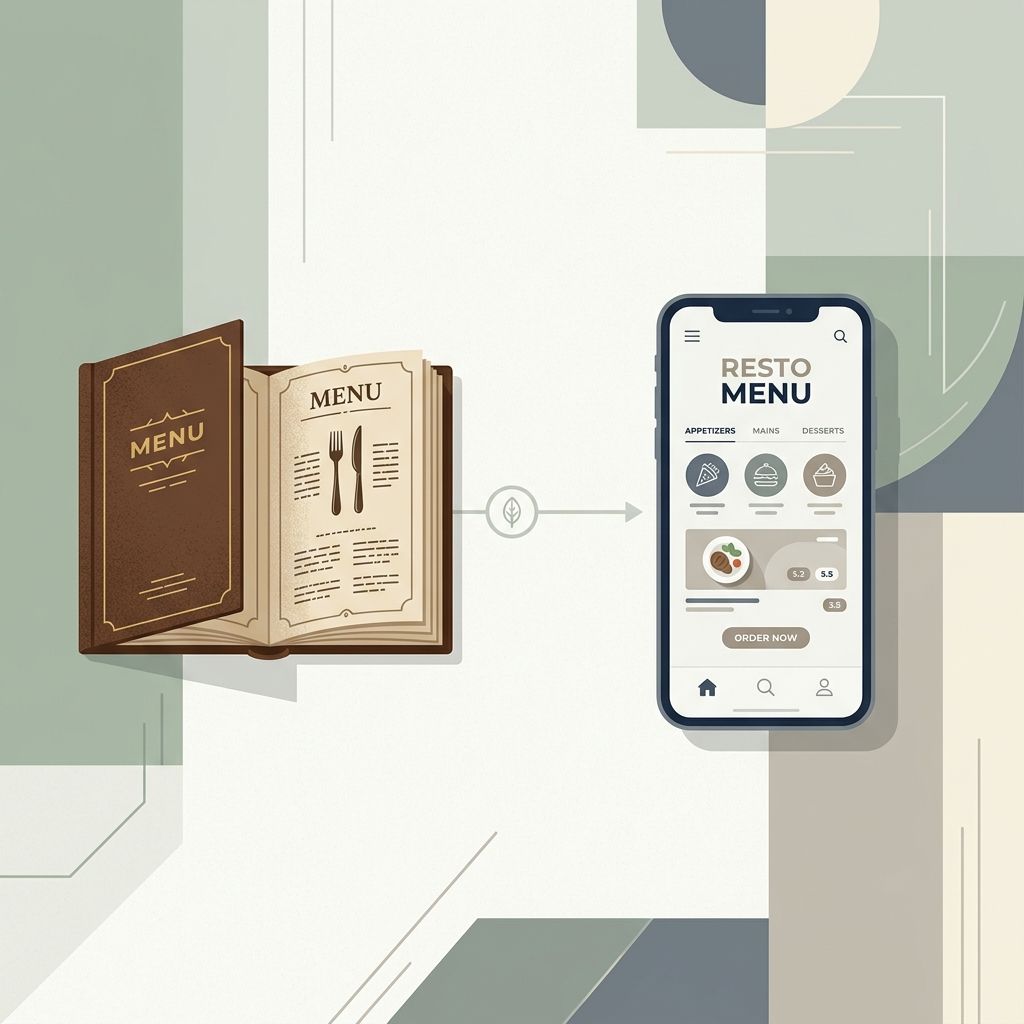
By the 19th and 20th centuries, menus had become a symbol of status. Fine dining establishments presented guests with massive, leather-bound books filled with dozens of pages. The "menu" transformed from a simple necessity into an elaborate marketing tool designed to impress.
The Paradox of Choice
However, this era introduced a new problem: the paradox of choice. Guests were suddenly overwhelmed by massive lists of text. Finding dishes that fit a specific diet—like vegetarian, gluten-free, or low-spice—required interrogating the waitstaff. For restaurant owners, updating these printed menus was a nightmare. A single ingredient change or price adjustment meant reprinting the entire batch, costing significant time and money.
The Digital Shift: QR Codes and Static PDFs
Fast forward to the 2020s. The hospitality industry experienced a massive shift toward digital solutions, heavily accelerated by the global pandemic. The QR restaurant menu became ubiquitous overnight.
While this solved the reprinting problem and allowed for contactless ordering, the early digital menus were fundamentally flawed. Most were simply static PDF files—pinched, zoomed, and squinted at on small mobile screens. They were digital, but they weren't *smart*. They still functioned exactly like the paper menus of the 19th century, forcing customers to scroll endlessly to find what they wanted.
The Future: AI-Powered Menu Discovery
The next great leap in dining isn't just about putting a menu on a screen; it's about creating a personalized, interactive dialogue with every single guest. This is where AI restaurant menus, like the ones powered by MenuClips, are changing everything.
Serving Personal Preferences Instantly
Imagine sitting down at a table, scanning a QR code, and accessing a beautiful, mobile-first digital storefront. Instead of hunting through a static list, you can simply ask the menu a question: "What are your best high-protein, gluten-free options that aren't too spicy?"
With an AI menu assistant, the digital menu instantly curates a personalized selection. It understands dietary nuances, allergens, and flavor profiles.
What Modern Restaurants Need
Today's restaurant owners don't need a clunky PDF or an expensive custom app. They need a customizable restaurant menu that acts as their best server. With MenuClips, restaurants can:
- Launch a branded digital storefront in minutes without writing a single line of code.
- Manage multiple locations from one dashboard, keeping pricing and availability synced.
- Empower customers with AI, allowing them to ask questions about allergens and get tailored recommendations directly from their phone.
Key Takeaways
The history of the menu is a journey from rigid limitations to absolute personalization. The ancient taverns offered no choice, the fine dining era offered too much unstructured choice, and early digital menus offered a poor user experience.
Today, AI is bridging the gap, returning dining to its roots of personalized, conversational hospitality—but at scale. By adopting an AI-enhanced digital menu platform, modern restaurants aren't just saving on printing costs; they're delivering an unforgettable, highly tailored experience to every guest that walks through their doors.
---
Meta Title: From Ancient Taverns to AI: The Evolution of Restaurant Menus
Meta Description: Discover how restaurant menus evolved from ancient verbal specials to fine dining leather-bound books, and how AI-powered digital menus are shaping the future.
Primary Keyword: AI restaurant menu
Secondary Keywords: digital restaurant menu platform, QR restaurant menu