Introduction
"Is the clam chowder gluten-free?" "Can the chef make this without nuts?" "Is the vegetarian burger actually vegan?"
If you run a restaurant, you hear these questions a dozen times a shift. With food allergies and dietary preferences at an all-time high, accommodating guests safely is more important than ever. However, managing these requests during a Friday night dinner rush can create massive bottlenecks.
A simple question about an ingredient often requires a server to excuse themselves, walk back to the kitchen, interrupt the expo or chef, wait for an answer, and walk back to the table. This invisible friction slows down table turns, frustrates busy staff, and creates dining anxiety for the guest.
Here is how modern restaurants are using digital storefronts and AI to handle dietary restrictions seamlessly—without slowing down service.
The Problem with Paper Menus and Badges
Historically, restaurants have tried to solve the dietary dilemma by adding tiny "V", "VG", or "GF" badges next to items on a physical paper menu. While this helps, it is inherently limited by physical space.
You cannot list every single ingredient on a printed menu without turning it into a textbook. Furthermore, these static badges cannot answer nuance. A dish might be marked "Vegetarian," but a guest with a severe dairy allergy still needs to ask if butter is used in the sauce. The burden of clarification falls entirely on your waitstaff, turning them into walking encyclopedias rather than hospitable hosts.
Empowering Guests with Digital Menus
By transitioning your physical menu into a branded digital menu, you instantly remove the physical limitations of paper.
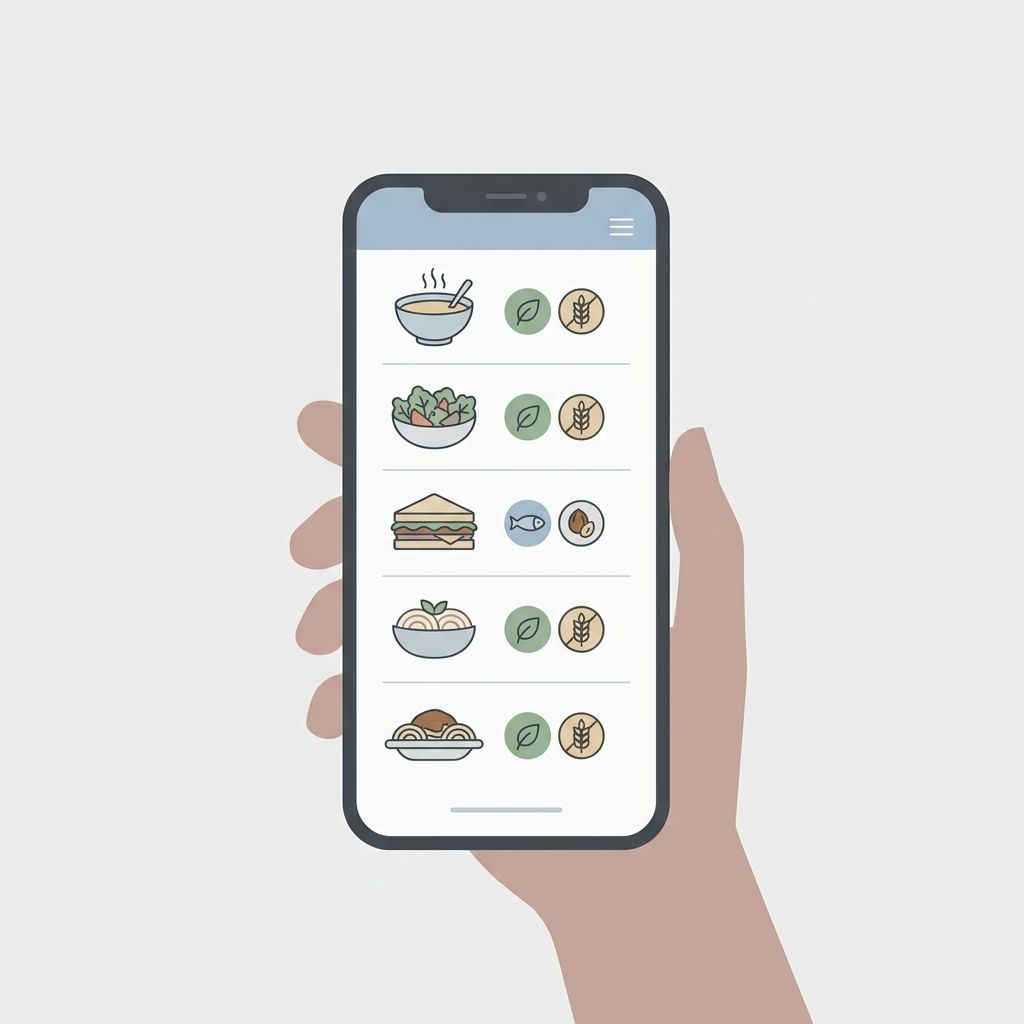
A digital storefront gives you unlimited real estate. When a customer scans your QR code and opens your menu on their phone, they can tap on a dish to see a detailed breakdown of ingredients and extensive dietary badges.
Even better, they can use built-in filters. A guest with a gluten intolerance can tap the "Gluten-Free" filter, and instantly, the menu hides everything they cannot eat. They no longer have to scan a cluttered page looking for tiny icons; the menu adapts to them. This level of self-service removes the anxiety of ordering and drastically reduces the amount of time servers spend answering ingredient questions.
The Game Changer: AI Menu Assistants
While filters are fantastic, some dietary questions are highly specific. This is where AI technology is transforming restaurant operations.
Platforms like MenuClips offer a built-in AI Menu Assistant directly within your digital storefront. The AI reads your item descriptions, ingredients, and pricing. When a guest sits down, they can type or ask a highly specific question, such as, "I have a severe nut allergy and I am lactose intolerant. What are my safest options for an appetizer?"
The AI instantly cross-references your menu data and provides a polite, accurate recommendation. This happens in seconds, without any staff intervention. The guest gets immediate peace of mind, and your servers can focus on running food and filling drinks rather than running back and forth to the kitchen.
Key Takeaways
Accommodating dietary restrictions is a non-negotiable part of modern hospitality, but it shouldn't come at the cost of your operational speed.
By upgrading to a professional digital storefront and leveraging an AI menu assistant, you can provide guests with absolute clarity about their food. You reduce kitchen errors, speed up table turns, and build incredible loyalty with diners who feel safe and accommodated.
Ready to streamline your service? Launch a branded digital menu with MenuClips today and let our AI assist your guests.