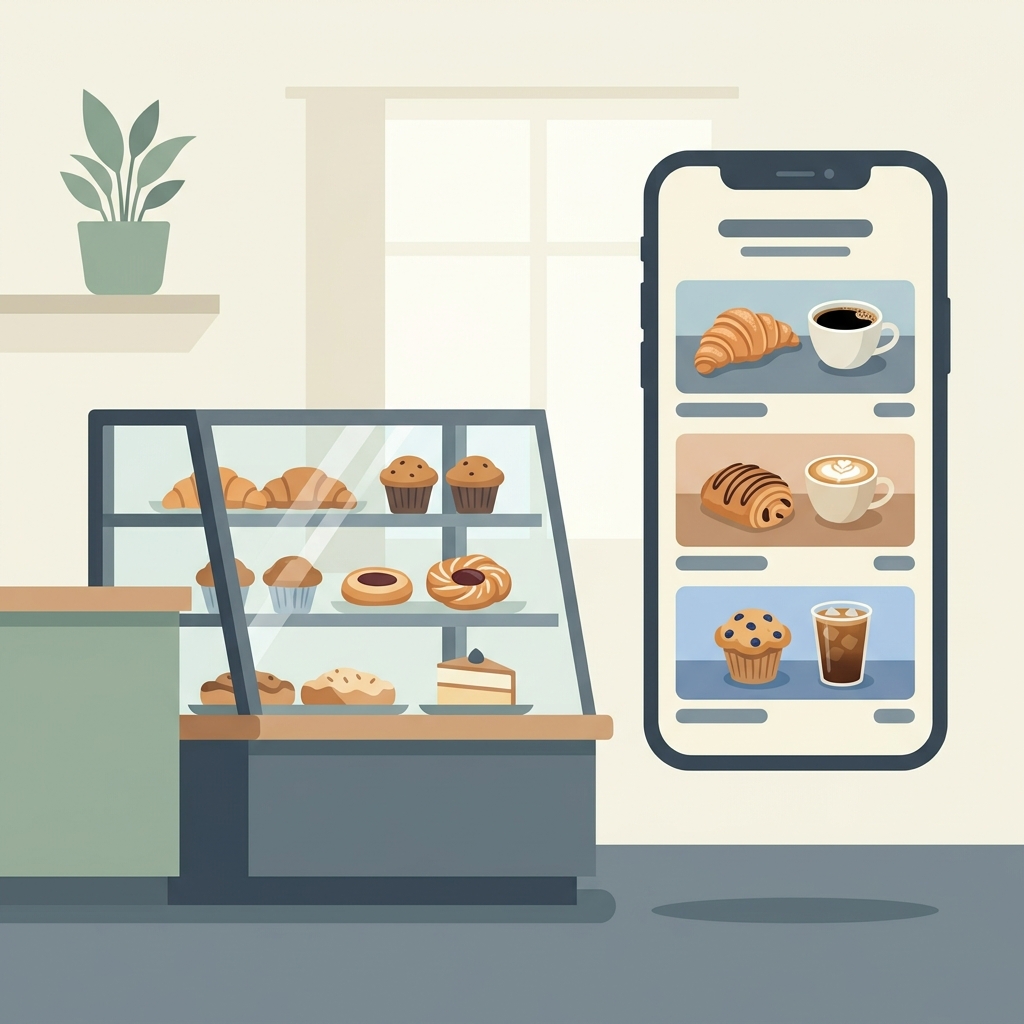
# Menu Writing 101: How to Craft Mouth-Watering Dish Descriptions
If your digital menu is the storefront for your restaurant, your dish descriptions are your best salespeople.
Too many restaurant owners spend weeks perfecting their recipes and thousands of dollars on interior design, only to write menu descriptions that read like a grocery list. When a customer reads, *"Chicken, rice, beans, salsa,"* it doesn't trigger a craving. It doesn't justify a premium price point. And it certainly doesn't make them want to come back.
In the era of digital menus, where customers have the time to browse and read before ordering, your words are your most powerful upselling tool. Here is a masterclass in writing menu descriptions that actually sell.
1. Focus on the Senses, Not Just the Ingredients
The biggest mistake restaurants make is listing ingredients without describing the sensory experience. Your goal is to make the customer taste the dish before they even order it.
Use sensory adjectives that describe texture, cooking method, and flavor profile.
* Weak: "Cheeseburger with bacon and BBQ sauce."
* Strong: "Our signature half-pound beef patty, flame-grilled and topped with thick-cut applewood smoked bacon, melted sharp cheddar, and a house-made smoky bourbon BBQ sauce."
Key Sensory Words to Try: *Crispy, velvety, slow-roasted, blistered, tangy, caramelized, infused, fire-roasted, tender.*
2. Tell the Story of the Sourcing
Today's diners care deeply about where their food comes from. If you are paying a premium for high-quality, local, or artisanal ingredients, you need to tell your customers! This strategy justifies higher price points and builds trust.
Instead of writing "Tomatoes," write "Locally sourced heirloom tomatoes." Instead of "Cheese," write "Aged Vermont cheddar."
* Weak: "Mushroom Pasta."
* Strong: "Hand-cut pappardelle pasta tossed with wild-foraged chanterelle mushrooms, finished with a drizzle of white truffle oil."
3. Keep it Scannable (The Digital Rule)
While you want to use evocative language, you don't want to write a novel. On a mobile phone, long blocks of text are intimidating.
With a digital menu platform like MenuClips, you have the advantage of clean typography and structured layouts. Use this to your advantage. Keep your descriptions to 2-3 sentences maximum. Lead with the most mouth-watering details, and list the supporting ingredients at the end.
4. Leverage the Power of Nostalgia
Food is deeply emotional. Tapping into nostalgia can make a dish feel comforting and irresistible. Words that invoke family, tradition, and childhood memories are incredibly effective at driving sales.
* Weak: "Chocolate cake with vanilla ice cream."
* Strong: "Grandma's secret recipe warm chocolate fudge cake, served with a scoop of classic vanilla bean ice cream."
5. Use AI to Do the Heavy Lifting
If you aren't a natural writer, crafting descriptions for 50 different menu items can feel overwhelming. This is where modern technology steps in to save you time.
With MenuClips, you don't just get a beautiful digital storefront; you get a built-in AI Menu Assistant. Not only can AI help your customers find the perfect dish based on their dietary preferences, but it can also help you generate rich, engaging descriptions for your menu items in seconds. You can provide a basic list of ingredients, and the AI will craft a mouth-watering description tailored to your brand's unique voice.
Your Words Are Worth Money
Don't let your incredible food suffer from poor marketing. By taking the time to craft thoughtful, sensory-rich descriptions, you can elevate the perceived value of your dishes and drive higher check averages.
Ready to put your new menu descriptions to work? Launch a stunning, mobile-optimized digital menu today with MenuClips.