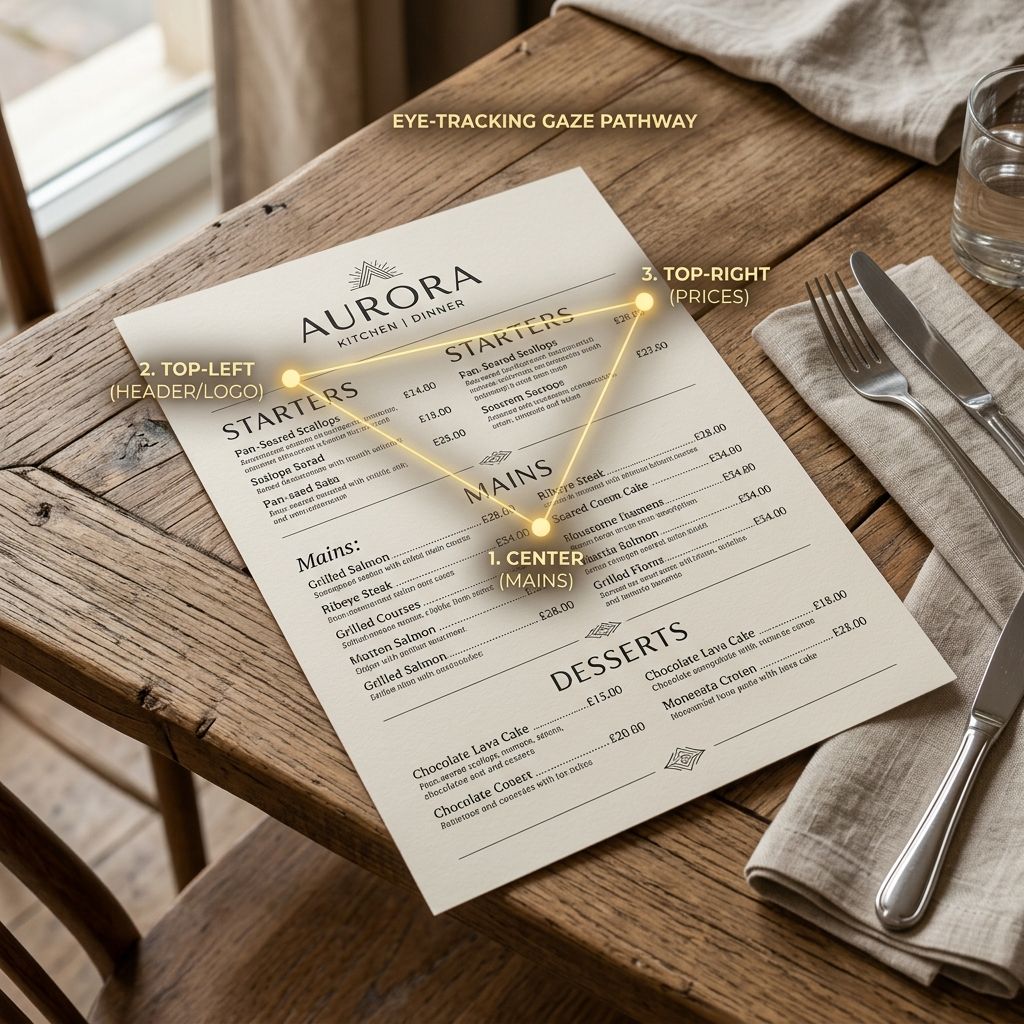
For decades, restaurant consultants have obsessed over the physical menu. They studied eye-tracking patterns, the "Golden Triangle" of visual focus, and the psychological impact of removing currency symbols from prices.
In 2026, the principles of menu psychology have completely migrated to the digital screen. As diners increasingly explore menus on their smartphones via QR codes or Instagram bio links, operators must adapt traditional menu engineering to mobile-first digital storefronts.
Here is how modern hospitality brands use MenuClips digital menus to seamlessly guide diners toward high-margin items and increase average table spend—without ever making guests feel pressured.
1. Ditch the PDF: The Psychology of Frictionless Browsing
The most fundamental rule of menu psychology is reducing cognitive load. If a guest has to work hard to understand what you serve, they will order the cheapest, safest, most familiar item on the menu.
When restaurants use a pinch-to-zoom PDF for their digital menu, they maximize cognitive friction. Guests are forced to scroll erratically, squint at tiny text, and cross-reference prices.
The Digital Advantage:
By hosting your menu on a native MenuClips storefront, dishes are presented in clean, mobile-optimized touch cards. Clear typography, generous whitespace, and logical category tabs allow the diner's brain to relax. A relaxed diner spends more time exploring the menu and is significantly more likely to order appetizers, side dishes, and premium cocktails.
2. Decoy Pricing and the Anchor Effect
One of the oldest tricks in restaurant psychology is the "Anchor Item."
If you place a highly expensive dish—such as a $95 Tomahawk Steak—at the very top of your digital menu category, it anchors the guest's price expectations. Suddenly, the $42 Filet Mignon directly below it looks like an incredible value, driving sales toward your high-margin sweet spot.
Traditional Layout vs. Strategic Layout
| Menu Presentation Style | Psychological Impact on Diner |
| :--- | :--- |
| Sorted Lowest to Highest Price | Encourages price-shopping and cheap ordering |
| Burying High-Margin Items | Guests default to safe, low-margin staples |
| MenuClips "Featured" Section | Draws immediate visual focus to high-margin signatures |
With a digital menu, you can easily rearrange dish ordering in seconds. Operations teams use MenuClips to strategically position high-margin items right below premium anchors, testing different layouts to see which drives the highest sales conversion.
3. The Power of High-Resolution Visual Appetite Appeal
In the printed menu era, restaurants avoided adding too many photos because it looked like a cheap diner menu and cost too much to print in color.
In the digital era, high-resolution photography is the strongest sales driver available. According to recent hospitality data, adding a high-quality photo to a menu item increases its sales by up to 30%. When a guest sees a glistening, perfectly lit photo of your signature dessert right on their phone screen, impulse ordering skyrockets.
4. Descriptive Copywriting That Sells the Sizzle
Words matter. Calling a dish "Cheeseburger" triggers a transactional mindset. Calling it "Wood-Fired Angus Burger with Smoked Gouda and Caramelized Onion Jam" triggers an emotional, sensory response.
Because digital menus are not constrained by the physical space limitations of a printed page, you can write rich, evocative flavor profiles for your signature dishes. When diners tap a dish card on your MenuClips storefront, they are immersed in the culinary story of the ingredients.
Frequently Asked Questions
Does removing the dollar sign ($) actually work on digital menus?
Yes. Removing currency symbols softens the psychological pain of paying. MenuClips allows you to format your pricing display cleanly without aggressive currency symbols, keeping the focus entirely on the food.
Can I track which menu layouts perform best?
Absolutely. The MenuClips analytics dashboard reveals which dishes guests tap on most frequently, allowing you to fine-tune your menu positioning in real time.
How often should I change my menu layout?
With a digital menu, you can optimize seasonally or even by daypart. Move lighter salads to the top during lunch hours and shift premium steaks to the featured section for Friday dinner service.
Engineer a More Profitable Menu Today
You do not need to hire an expensive consultant to optimize your menu. By launching a beautifully structured MenuClips digital storefront, you can deploy proven psychological principles instantly and watch your average order value climb.