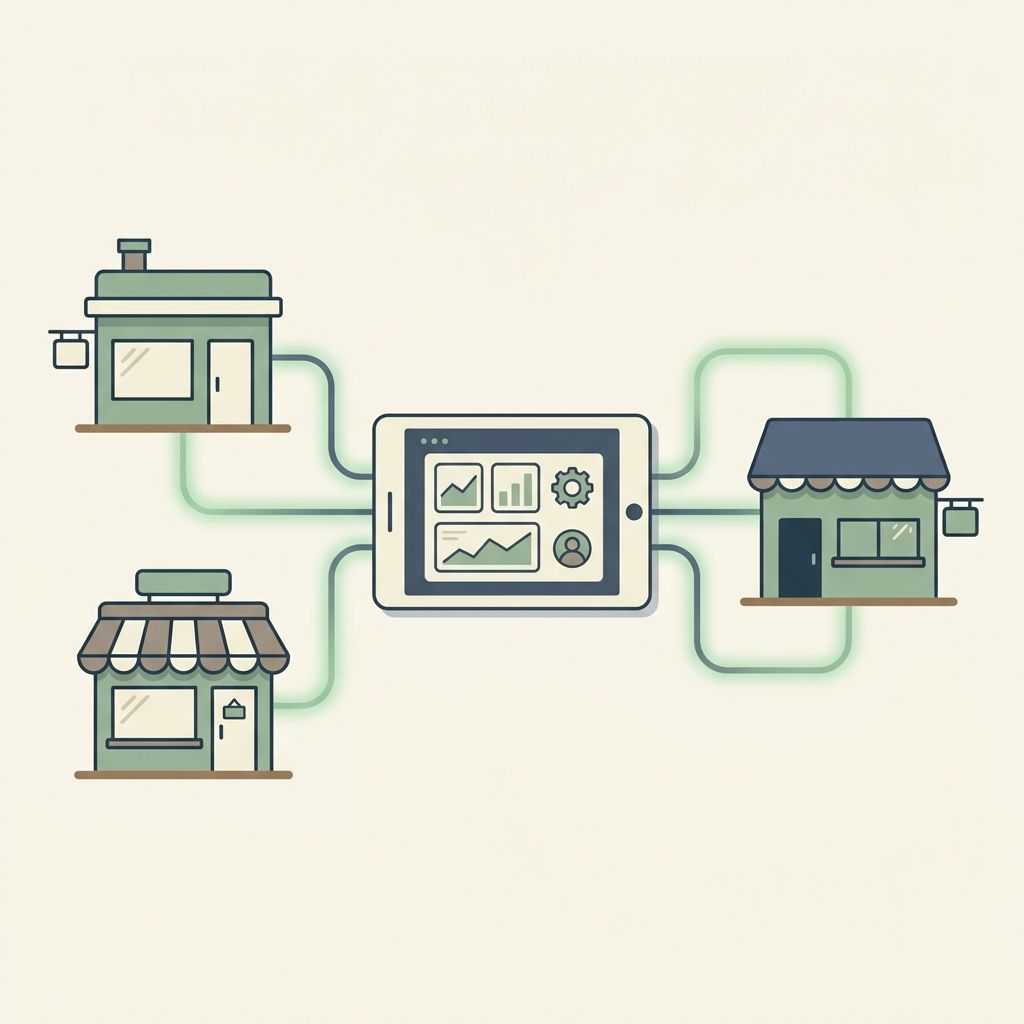
As restaurant groups scale across regions, cities, and transport hubs, designing a scalable "Menu Network" becomes one of the most critical operational challenges for executive teams.
Without an intelligent menu network design, multi-location operators face a daily operational headache: how do you maintain a consistent core brand identity while accommodating airport pricing tiers, regional supplier substitutions, and local happy hour schedules?
In 2026, progressive hospitality groups rely on structured menu architecture to govern dozens of venues from a single cloud dashboard. Here is how leading operations directors structure their restaurant network design.
1. The Master Menu Architecture Blueprint
In traditional hospitality setups, each restaurant location operates from a standalone menu file or spreadsheet. If the executive chef tweaks the recipe and allergen declaration for a signature burger, that change must be manually edited across 40 separate location spreadsheets.
The Network Design Solution:
MenuClips enables operators to build a Master Menu Blueprint. This central repository holds the canonical version of every dish: high-resolution photography, approved copywriting, ingredient pairings, and dietary badges. Individual venue menus inherit from this master blueprint. When a corporate change is saved, it cascades instantly to every connected venue in the network.
2. Dynamic Price Tiering for Urban, Suburban, and Transit Sites
A steak frites served in a central London flagship venue carries different rent and labor economics than the same dish served in a regional market town or an international airport terminal.
The Network Design Solution:
Instead of creating duplicate menus for every price point, intelligent menu network design utilizes Regional Price Tiers. Operations teams can assign venues to Tier 1 (Metropolitan), Tier 2 (Suburban), or Tier 3 (Transit/Airport). A single dish in the master blueprint can store distinct price points for each tier, allowing instantaneous group-wide menu updates without pricing errors.
3. Automated Allergen & Dietary Governance
In multi-site hospitality, allergen compliance is a non-negotiable safety requirement. Permitting local floor managers to type custom dish descriptions or alter dietary tags introduces legal and health risks.
The Network Design Solution:
MenuClips locks down allergen declarations at the master level. Whether a guest is dining at your Edinburgh, Manchester, or Bristol location, selecting the vegetarian or gluten-free filter on their smartphone reveals the exact same vetted dietary information. Local general managers can toggle daily 86 out-of-stock status when kitchen inventory runs low, but cannot accidentally modify core allergen profiles.
4. Seamless Integration with Regional Supply Chains
When regional suppliers experience temporary shortages—such as Scottish salmon being substituted for Atlantic cod in northern venues—your menu network must adapt without disrupting the entire brand.
The Network Design Solution:
Menu network architecture allows operations directors to apply Location-Specific Overrides. You can swap a specific seasonal garnish or fish variety for a regional cluster of venues while keeping the rest of the national estate untouched.
Build a Menu Network That Grows With Your Estate
Scaling a restaurant group shouldn't mean drowning in operational complexity. By structuring your venues with MenuClips network architecture, you achieve absolute corporate governance, effortless price tiering, and a flawless dining experience across your entire hospitality estate.