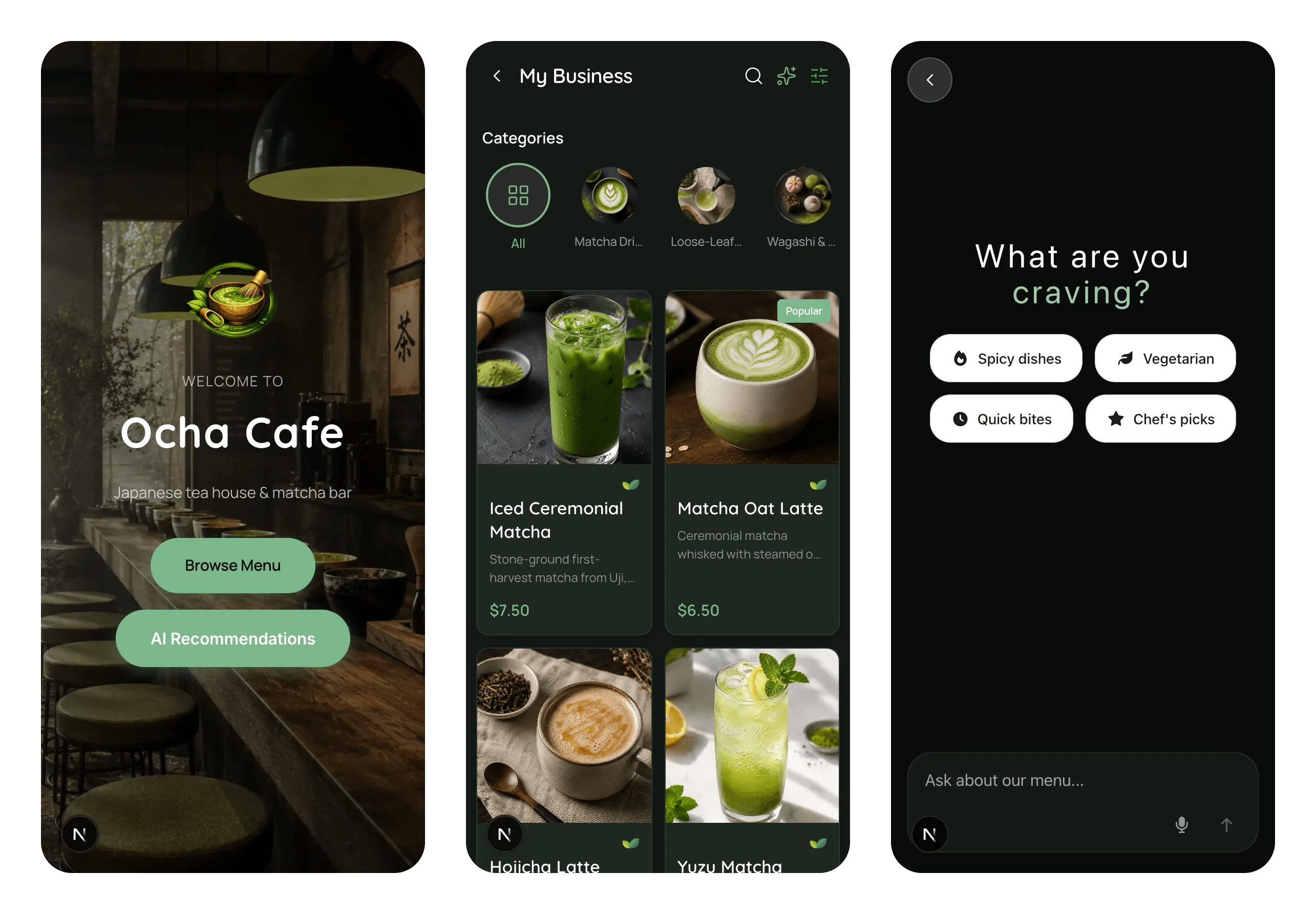
The transition from traditional paper menus to digital has completely reshaped the restaurant industry. But simply slapping a QR code on a table isn't enough to guarantee success. In fact, a poorly executed digital menu can actually frustrate guests and hurt your bottom line.
If you're noticing high bounce rates on your menu pages or a dip in average check sizes, you might be falling into one of these common traps. Here are the five biggest mistakes restaurants make with digital menus in 2026—and exactly how you can fix them.
1. The "PDF Menu" Trap
The absolute biggest mistake in the industry is taking a physical menu, scanning it into a PDF, and calling it a "digital menu."
Guests despise having to pinch, zoom, and scroll horizontally just to read tiny text on their smartphones. PDF menus are completely unreadable on mobile devices, they take forever to load on slow cellular networks, and they are impossible to update quickly when you run out of an ingredient.
The Fix: Use a true mobile-first digital menu builder (like MenuClips) that outputs clean, responsive HTML. Your text will always be readable, and your layout will automatically adapt to any screen size.
2. Zero Visual Merchandising
On a paper menu, describing a dish with evocative words is your best tool. On a digital menu, a lack of imagery is a massive missed opportunity. If you aren't showing guests what your food looks like, they will default to the cheapest, safest options.
The Fix: You don't need a picture of every single item, but you *must* highlight your most profitable signature dishes with stunning, high-resolution photography. A beautiful visual cures "food envy" and drastically increases the likelihood of a guest ordering that premium steak or specialty cocktail.
3. Ignoring Your Restaurant's Brand Identity
Many restaurants use generic SaaS platforms for their digital menus. The result? A sterile, white-background list that looks exactly like a delivery app. When guests sit down at your beautifully designed, dimly lit bistro, a bright white, unbranded digital menu instantly shatters the ambiance.
The Fix: Your digital menu should feel like an extension of your dining room. Choose templates that offer deep brand customization—including sophisticated dark modes, bespoke typography, and your exact brand colors.
4. Burying High-Margin Add-ons
If your sides, premium upgrades, and desserts are hidden at the very bottom of a long scroll, you are leaving money on the table. In a digital format, out of sight truly is out of mind.
The Fix: Implement contextual upselling. When a guest taps on a burger, your digital menu should immediately present a "Suggested Pairing" section underneath it—like truffle fries or a local craft beer.
5. Overwhelming Guests with Clutter
Because digital space is theoretically infinite, some operators make the mistake of adding too much. Walls of text, overly complex categories, and dozens of conflicting modifier options induce decision paralysis.
The Fix: Clean up your categories. Use a search bar or an AI Menu Assistant that allows guests to easily navigate your offerings. An AI assistant can instantly filter for "gluten-free options" or "spicy dishes," making the discovery process entirely frictionless.
Stop Making These Mistakes Today
Your digital menu is the most viewed piece of marketing material your restaurant has. It should be working tirelessly to represent your brand and increase your sales.
With MenuClips, you can instantly bypass all of these common pitfalls. Launch a beautiful, perfectly branded, mobile-optimized digital menu in minutes—complete with AI-powered search and smart pairings. No coding required.