Introduction
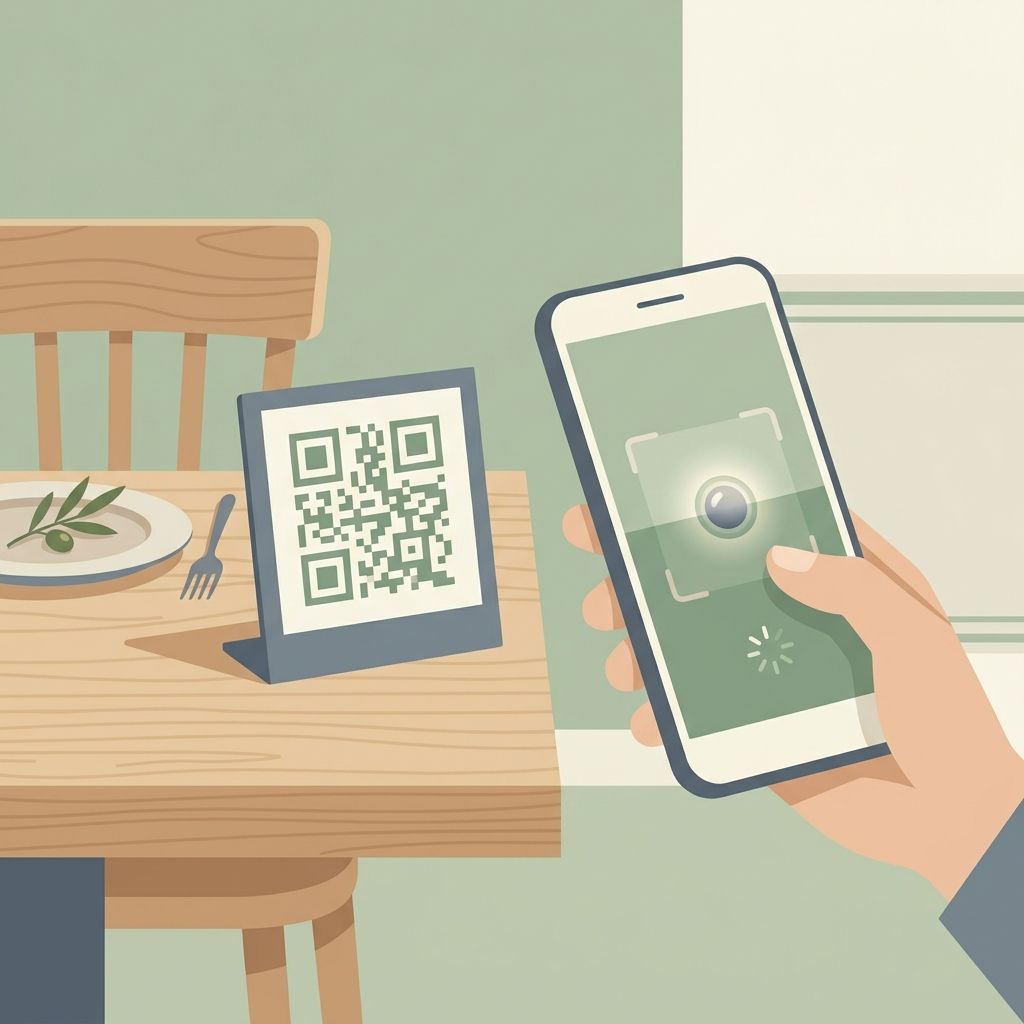
If you walked into a restaurant a decade ago, handing out heavy, leather-bound physical menus was standard practice. Today, glancing around a dining room, you are just as likely to see guests pointing their smartphones at a small barcode on the table.
What started as a temporary health measure has evolved into a permanent technological shift. QR menus have completely transformed the dining experience, offering benefits that extend far beyond simply avoiding shared surfaces.
For restaurant owners, adopting a digital menu isn't just about keeping up with trends—it is about dramatically improving operations, increasing sales, and delivering a superior guest experience. Here is why QR menus are here to stay, and why your restaurant needs one.
---
1. Instant Menu Updates and Cost Savings
Think about the last time you had to change the price of a single dish, or remove an item because your supplier ran out of a key ingredient.
With physical menus, this means pulling out a marker to cross items off, or worse, spending hundreds of dollars to reprint and laminate a completely new batch of menus. This process is expensive, time-consuming, and looks unprofessional to guests.
With a digital restaurant menu, updates happen instantly.
* Did the price of beef go up? Adjust your burger prices across all your locations in seconds.
* Sold out of the daily special? Hide it with a single tap.
By eliminating printing costs alone, QR menus often pay for themselves within the first month of use.
2. A Superior Visual Experience
We eat with our eyes first. A traditional paper menu relies entirely on text descriptions, leaving guests to guess what a dish might look like.
When guests scan a QR code to view a custom digital storefront, they aren't just reading—they are browsing. You can showcase high-quality photos of your signature dishes, highlight seasonal specials, and use your restaurant's specific branding colors and typography.
Platforms like MenuClips provide beautiful, pre-designed templates that make your food look irresistible. When guests can see mouth-watering photos of your appetizers or desserts while sitting at the table, they are significantly more likely to order them, directly increasing your average ticket size.
3. Smarter Customer Interactions
A static paper menu cannot answer a customer's question. If a guest wants to know if a dish is gluten-free, or what wine pairs best with the steak, they have to wait for their server. During a busy dinner rush, this slows down table turnover and frustrates guests.
Modern QR menus have evolved. By incorporating an AI menu assistant, your digital menu becomes an interactive concierge. Guests can type questions directly into their phones:
* "Which dishes are dairy-free?"
* "What is the spiciest thing on the menu?"
* "What do you recommend for kids?"
The AI provides instant, accurate answers based entirely on your menu data, empowering guests to make confident ordering decisions without flagging down a busy staff member.
4. Multi-Location Consistency
If you own a small chain or manage multiple restaurant locations, keeping menus consistent across venues is a logistical nightmare.
A digital menu platform simplifies this entirely. You can manage a centralized menu database, pushing updates to all locations simultaneously, while still allowing for location-specific variations (like different local beers or varying happy hour times).
Take Control of Your Digital Experience
The transition to QR menus represents a massive opportunity for restaurants to modernize their operations and delight their guests.
However, generic PDF uploads or clunky third-party links won't cut it. To truly benefit, you need a beautifully branded digital storefront.
With MenuClips, you can launch a stunning, mobile-first QR menu in minutes. Choose your template, customize your brand, and let your guests discover your food the modern way. No technical skills required. Get started today and see why the best restaurants are leaving paper behind.